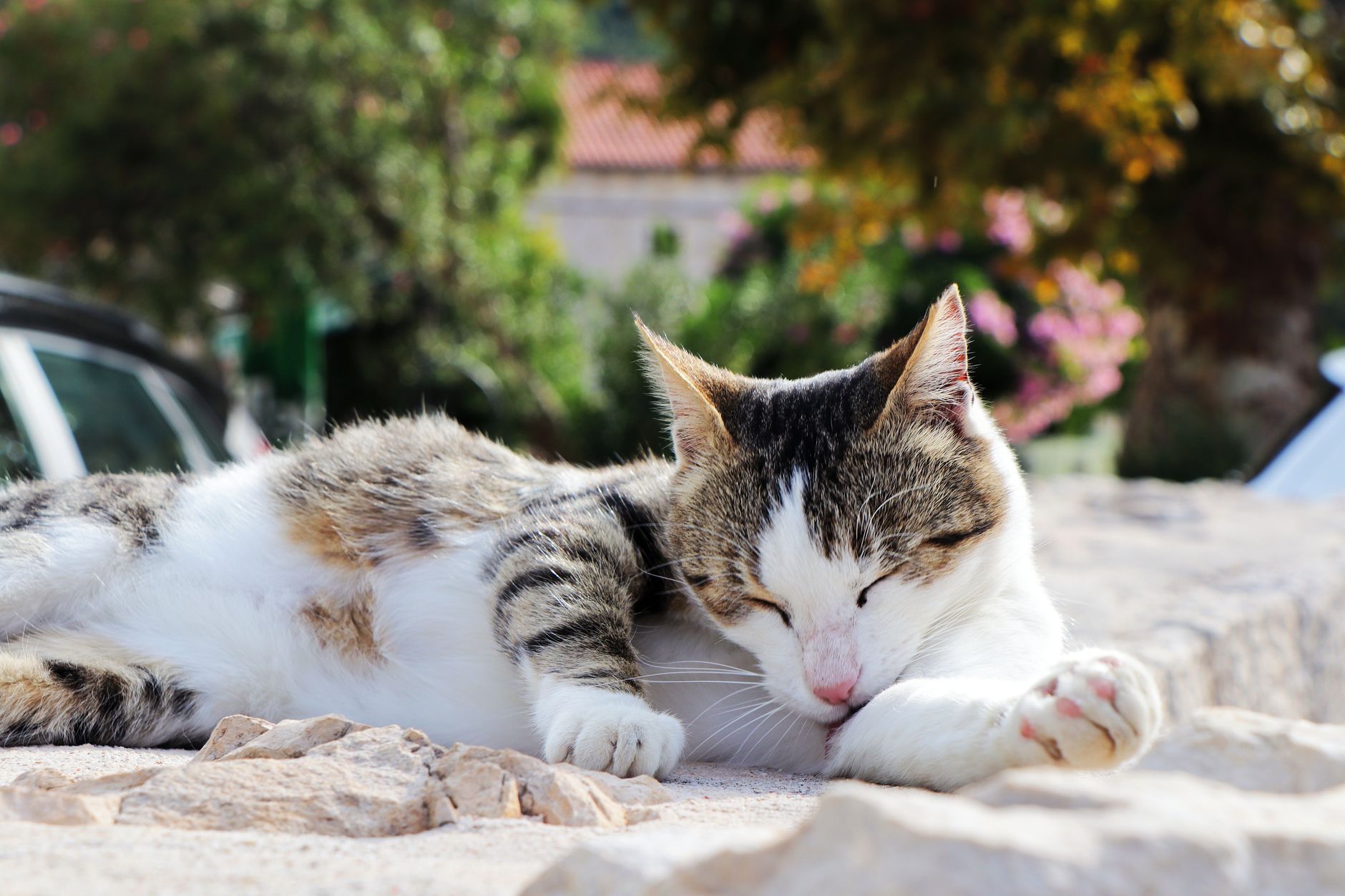
If you're a cat owner in Volusia County, Florida, you might have noticed your feline friend exhibiting some unusual behaviors or physical symptoms that could be signs of allergies. Florida's warm and humid climate can exacerbate certain conditions, making it crucial for pet owners to be aware of the signs and steps to alleviate your cat’s discomfort. This guide will help you understand cat allergies and provide practical relief methods.
Identifying the Signs of Cat Allergies
Allergies in cats, much like in humans, are a reaction of the immune system to a perceived threat. Common allergens include pollen, dust, certain foods, and even flea bites. In Volusia County, where the weather is warm and humid most of the year, plants grow quickly and produce a lot of pollen, which can easily become an allergen for cats. If your cat is suffering from allergies, you may notice symptoms such as:
- Excessive itching and scratching
- Runny eyes or nose
- Sneezing
- Skin irritation or hot spots
- Vomiting or diarrhea (if the allergy is food-related)
If you notice any of these symptoms, it’s crucial to visit a local veterinarian who can provide a proper diagnosis and treatment plan.
Managing Environmental Allergens in Florida
Living in Florida, you’re no stranger to the lush environment and its allergens. Managing environmental allergies in cats can be challenging, but with a few strategies, you can provide some relief:
- Reduce Indoor Allergens: Regular cleaning and air filtration can help reduce dust, pollen, and other allergens indoors. Use a HEPA filter to improve air quality, and consider washing your cat’s bedding and toys in hot water to kill dust mites.
- Regular Grooming: Grooming your cat regularly can help remove allergens from their fur and reduce the amount of allergen particles in your home. However, ensure you use gentle products that won’t irritate your cat’s skin.
- Flea Prevention: Flea bites are a common cause of allergic reactions in cats. Regular use of flea prevention products can significantly reduce the chances of your cat developing an allergic reaction.
Treating Cat Allergies
If your cat’s allergies are severe, your vet might prescribe medications or suggest specific treatments:
- Antihistamines and Allergy Medications: Just like humans, cats can take antihistamines to alleviate allergy symptoms. Always consult your vet before giving your cat any medication, as some human antihistamines are not suitable for cats.
- Allergy Shots: In some cases, allergy shots can help reduce sensitivity to allergens over time. This is typically recommended for severe or chronic allergies.
- Dietary Adjustments: If food allergies are suspected, your vet might recommend a special diet to identify and eliminate the allergen.
Finding Relief and Support in Volusia County
Managing cat allergies can be a complex process, but with the right information and support, you can help your cat lead a more comfortable life. In addition to consulting with your local vet, resources like Blip at PetBlip.com can provide you with valuable advice and support. Florida’s unique environment presents its challenges, but with diligent care and a proactive approach, you can help your cat avoid the discomfort of allergies.
If you're struggling with your cat's allergies or have more questions about managing their health in Florida's climate, don't hesitate to ask Blip at PetBlip.com. Your cat's comfort and health are our priority, and we’re here to help you navigate through any concerns.
Why Cats Itch: Understanding the Causes
Before reaching for any supplement, it’s important to understand what might be causing your cat’s itching. Flea allergy is the number one cause, followed by food allergies, environmental allergies like grass or pollen, and dust mites. Skin infections, ear mites, and even dry winter air can also contribute to your cat’s discomfort. Identifying the underlying cause is crucial for effective treatment.
Holistic Approaches to Managing Cat Allergies
There are several holistic approaches that can support your cat’s skin health and alleviate itching. Omega-3 fish oil, for example, is known to support the skin barrier. Regular flea prevention is also essential, as flea bites can cause severe itching and allergic reactions. Using air filtration systems in the home, frequent vacuuming, and washing pet bedding weekly can reduce exposure to dust and allergens. If a food allergy is suspected, switching to a limited ingredient diet might be beneficial.
When to Consider HomeoPet Skin & Itch
HomeoPet Skin & Itch is a homeopathic supplement that some pet owners choose as a gentle first step for mild seasonal itching. The product contains highly diluted homeopathic ingredients such as Apis mellifica, Urtica urens, and Rhus toxicodendron. These ingredients have traditional uses for addressing itching, skin irritation, and inflammation. However, it should not be considered a replacement for veterinary diagnosis and treatment, especially for severe itching, open sores, hair loss, or signs of infection.
When It’s Time to See a Veterinarian
If your cat’s symptoms persist or worsen despite home management, it’s important to consult a veterinarian. Severe itching, open sores, hair loss, or signs of infection may indicate a more serious condition that requires professional treatment. Your vet can help identify the underlying cause and provide appropriate treatment, which may include antihistamines, allergy shots, or specific dietary changes.
By understanding the causes of itching and exploring both holistic and professional approaches, you can better manage your cat’s allergies and ensure their comfort and health.


